In Kisumu, Kenya, a bold step in refining waste could redefine how communities view waste. The six-month trial project is funded by Cornell University. The Kisumu Young Agripreneurs (KIYA), in partnership with Poverty and Health Integrated Solutions (PHIS), Fresh Life Kisumu branch, and Kisumu Water and Sewerage Company (KIWASCO), have launched a pioneering project to transform human sanitation waste into biochar — a soil-enhancing, carbon-sequestering material. With approval from the National Environment Management Authority (NEMA) and the County Government of Kisumu, the initiative is already moving from concept to practice, marking a milestone in circular bionutrient economies.
The Science Behind Biochar
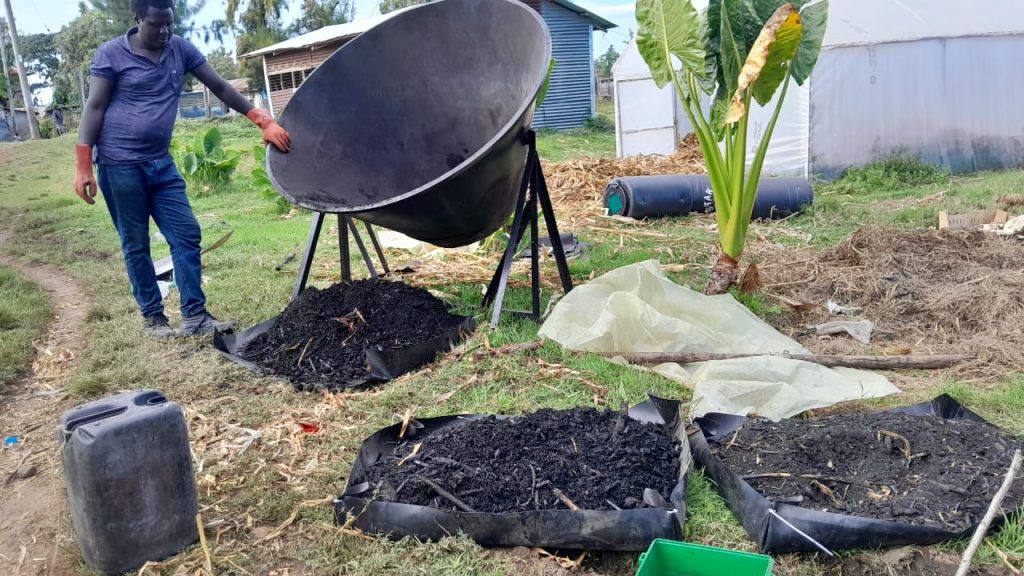
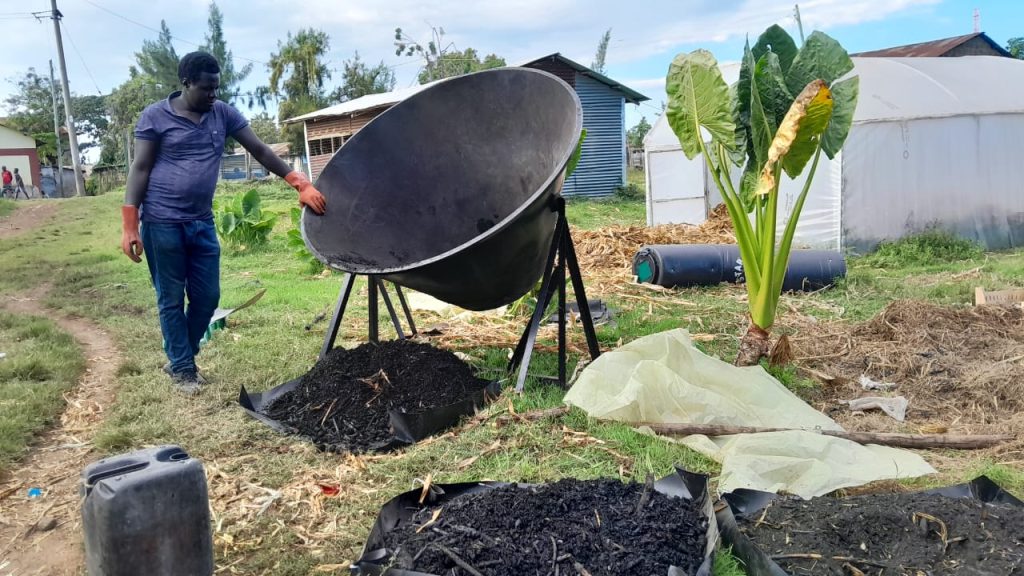
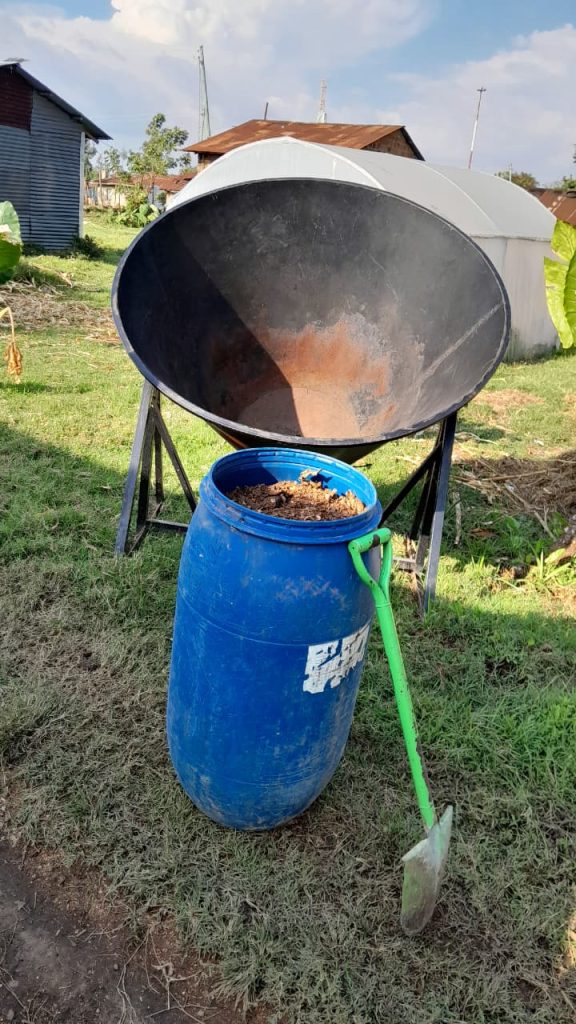
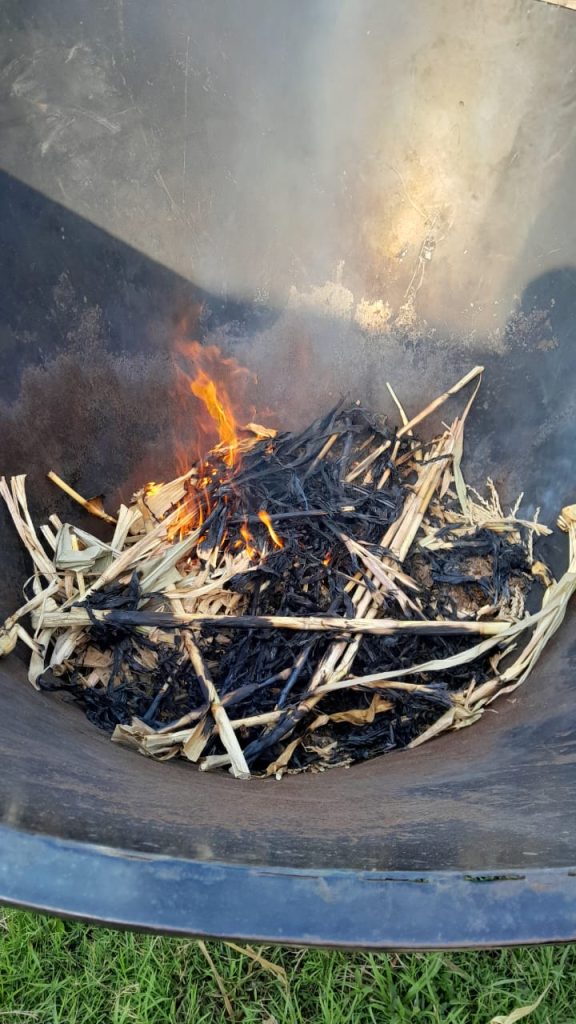
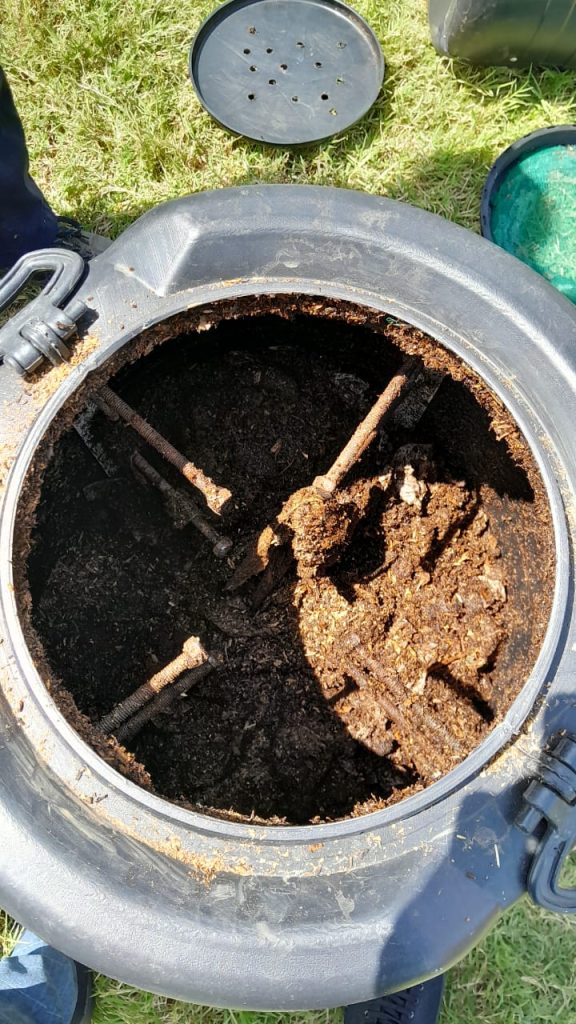
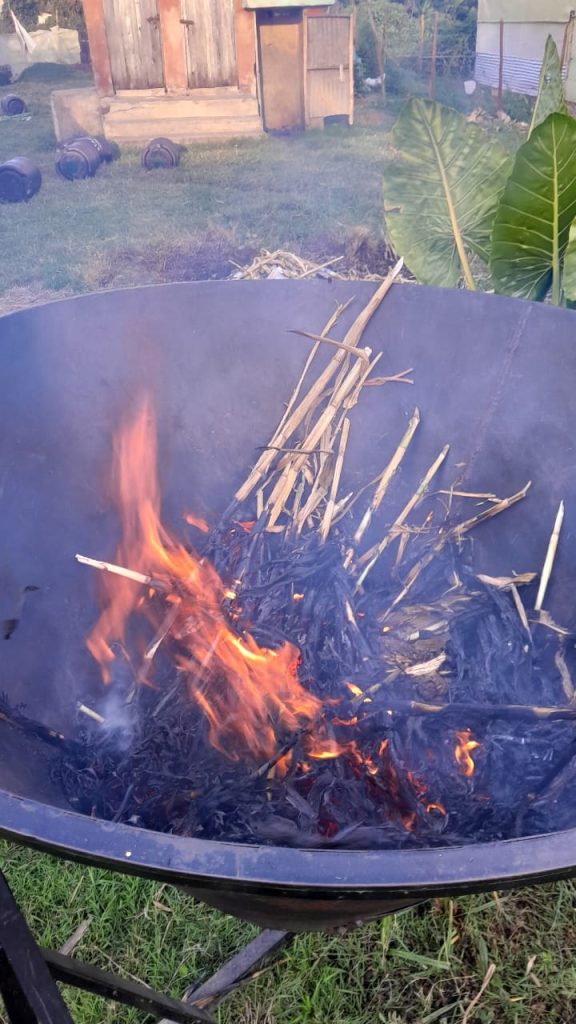
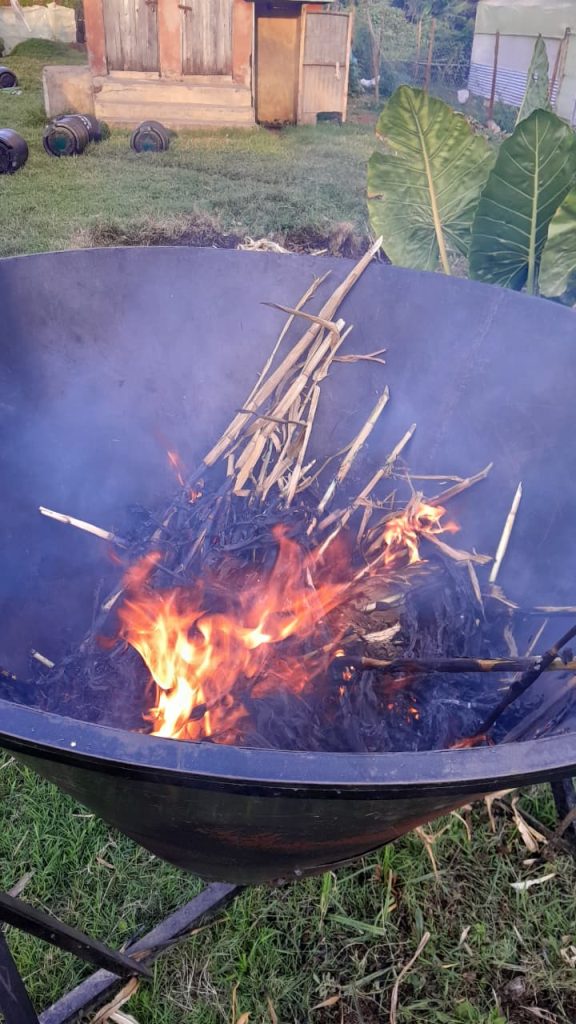
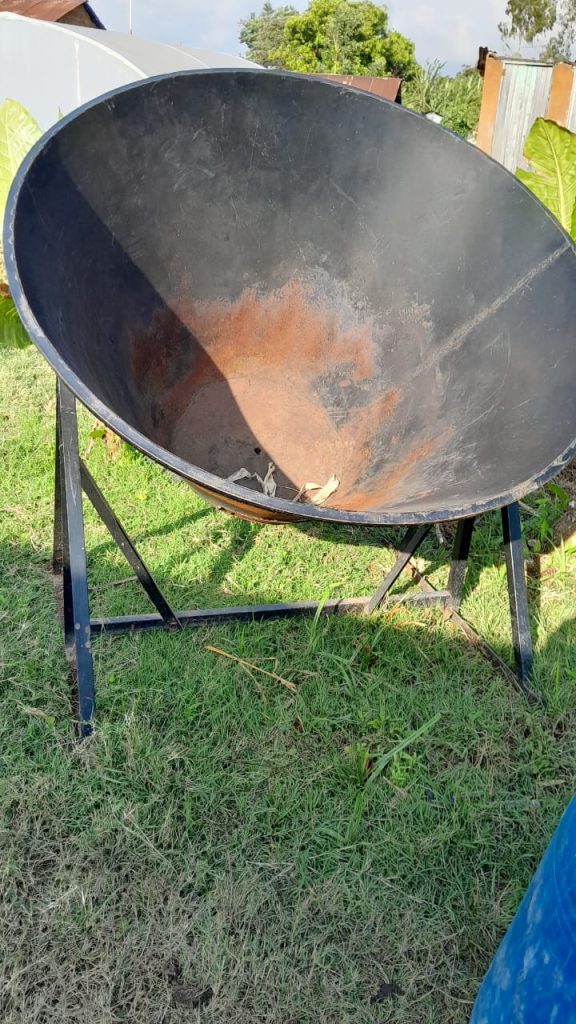
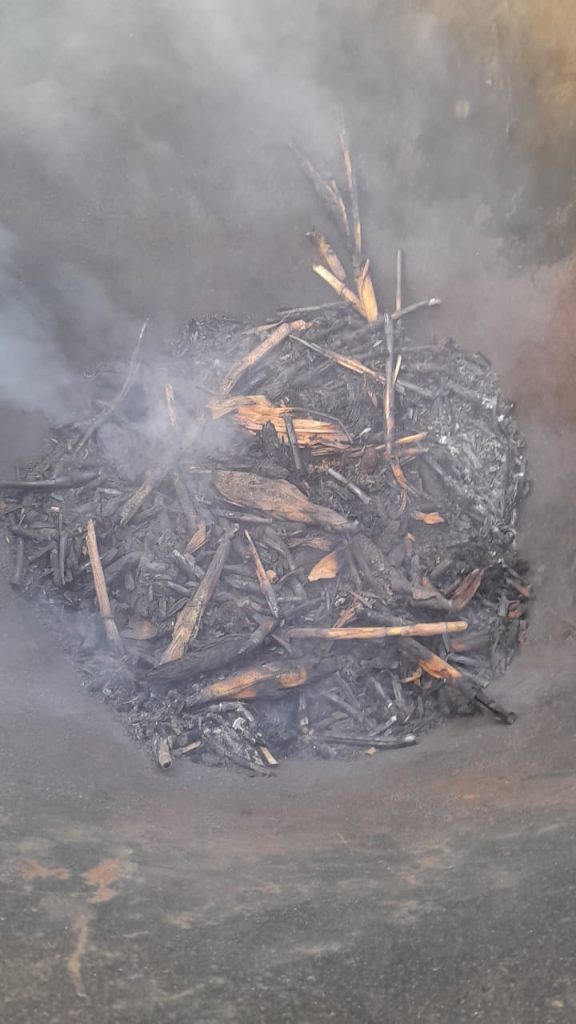
Biochar is produced through pyrolysis, a process that heats organic material in low-oxygen conditions. KIYA’s team has begun pyrolyzing solar-dried fecal sludge collected from Fresh Life’s container-based toilets using a Kontiki kiln, a low-tech but highly effective system. The collection of the wastes by the KIYA team targets 80 Fresh Life Toilets, wastes dried for 7-14 days, and later pyrolyzed. The resulting biochar is nutrient-rich, capturing nitrogen and phosphorus that would otherwise pollute Lake Victoria. By locking carbon into soils, biochar also contributes to climate mitigation, while improving soil fertility, water retention, and microbial health.
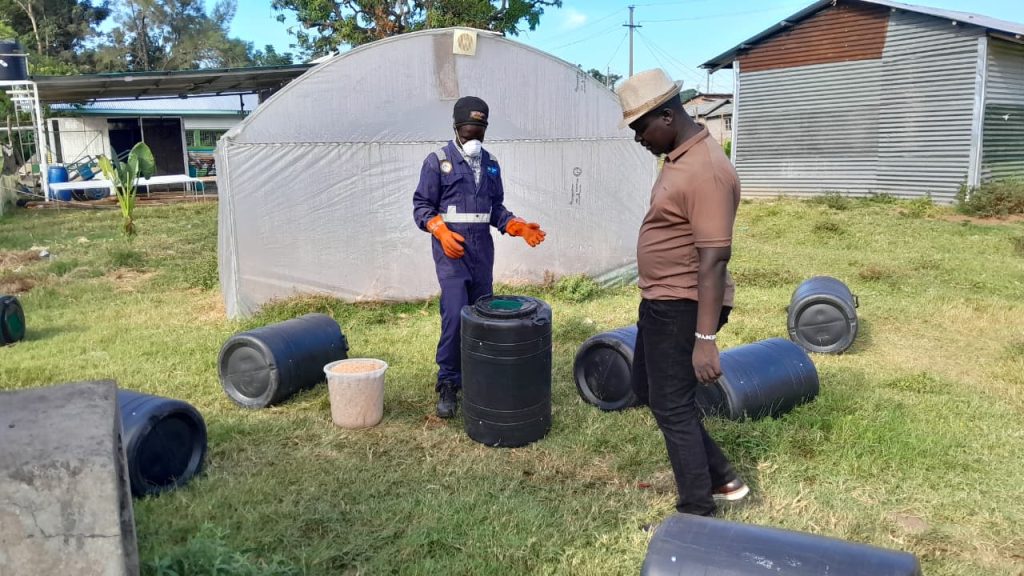
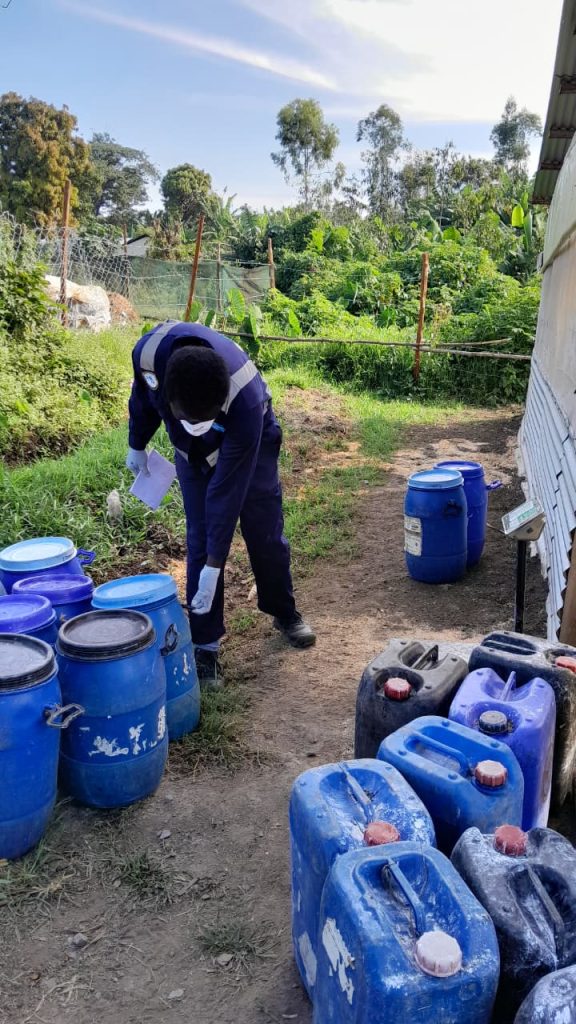
From Toilets to Test Plots
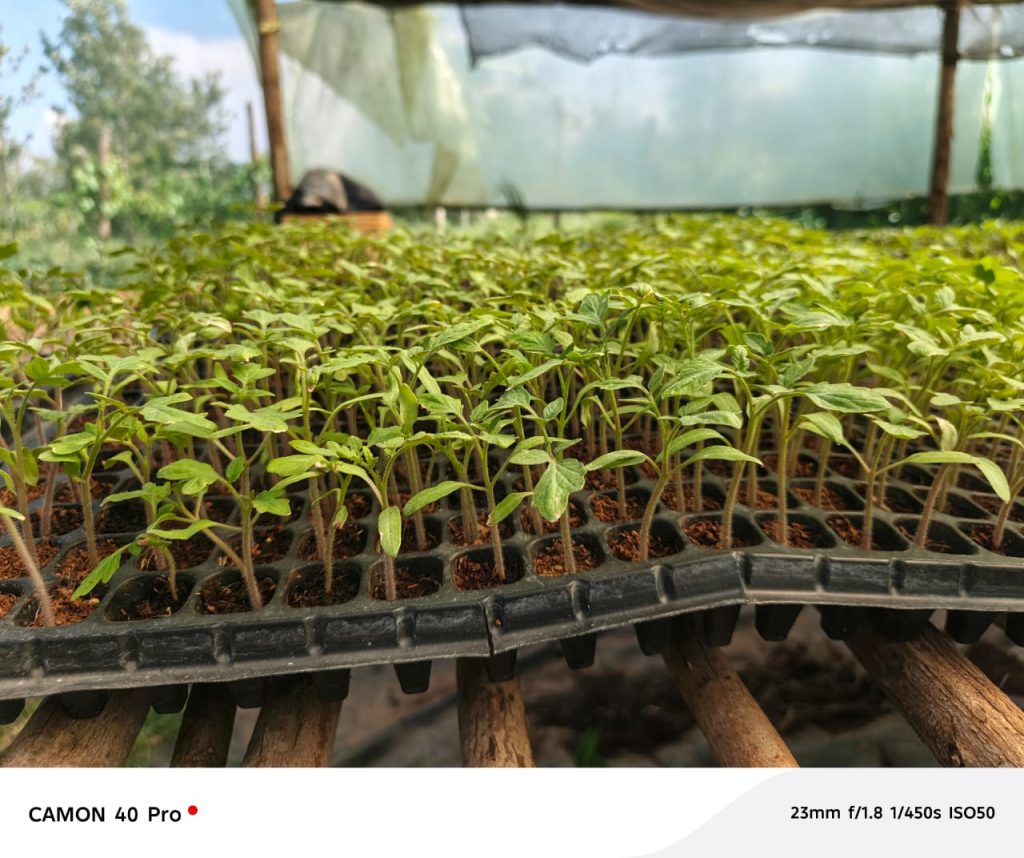
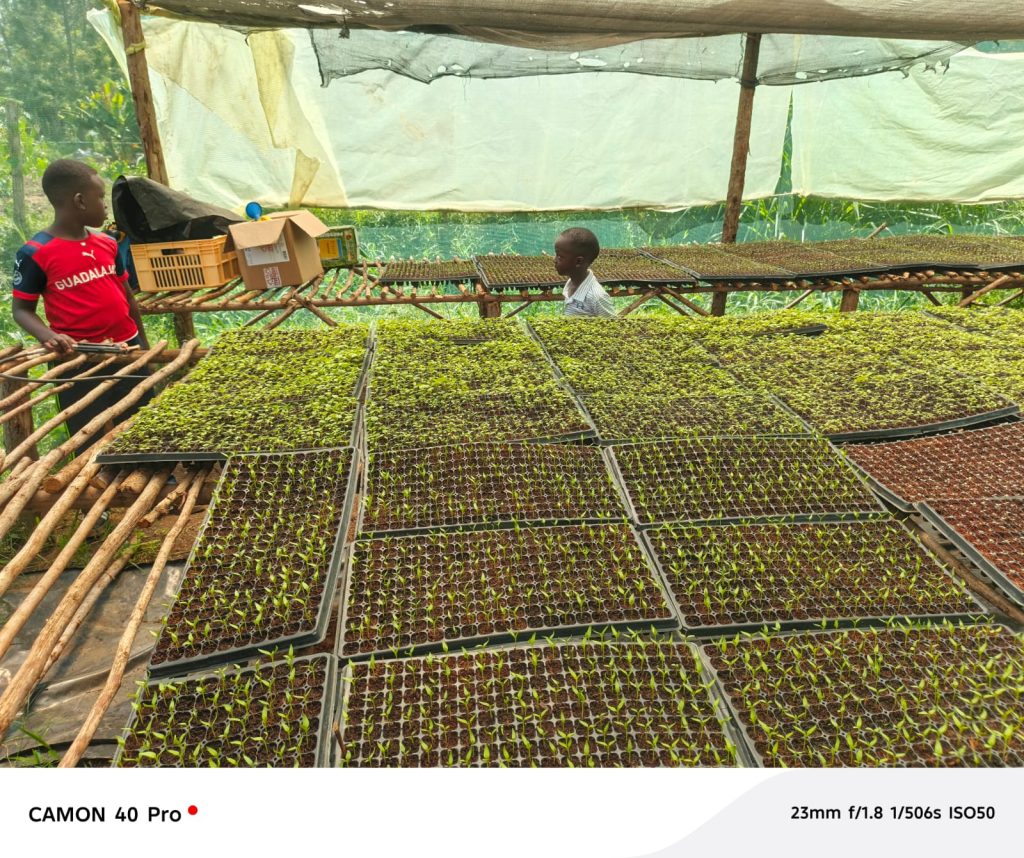
To demonstrate its potential, KIYA has established five demo plots across Kisumu’s sub-counties. Each host farmer receives a package of seedlings — black nightshade (managu) and kale (sukuma wiki) — along with biochar amendments and agronomic support. Over six months, the trial will monitor soil conditions before, during, and after biochar application. The produce harvested will remain with the host families, ensuring immediate food security benefits while generating valuable data on crop performance.
Closing the Loop on Sanitation
This project addresses a critical challenge: sanitation waste management in informal settlements. Fresh Life’s 1,200 toilets currently serve thousands of residents, but transporting excreta to centralized treatment plants is costly, and the treatment takes time. By decentralizing processing and converting waste into fertilizer, KIYA’s model reduces operating costs, increases toilet coverage, and unlocks the nutrient value of human waste. It is a practical step toward circularity — where sanitation, agriculture, and environmental health reinforce one another.
Early Signs of Impact
Drawing on prior research, KIYA expects yields to increase by 20–30% compared to control plots. Farmers will benefit from healthier soils, while Kisumu’s environment gains from reduced nutrient runoff into Lake Victoria. The project also creates youth employment opportunities in waste collection, pyrolysis, and fertilizer distribution, positioning KIYA as a hub of innovation in sustainable agribusiness.
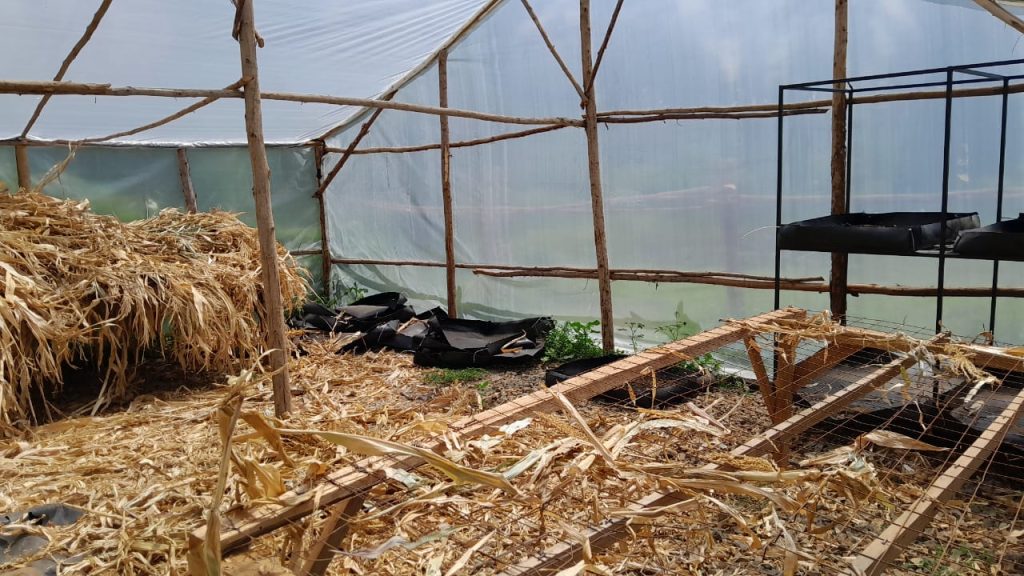
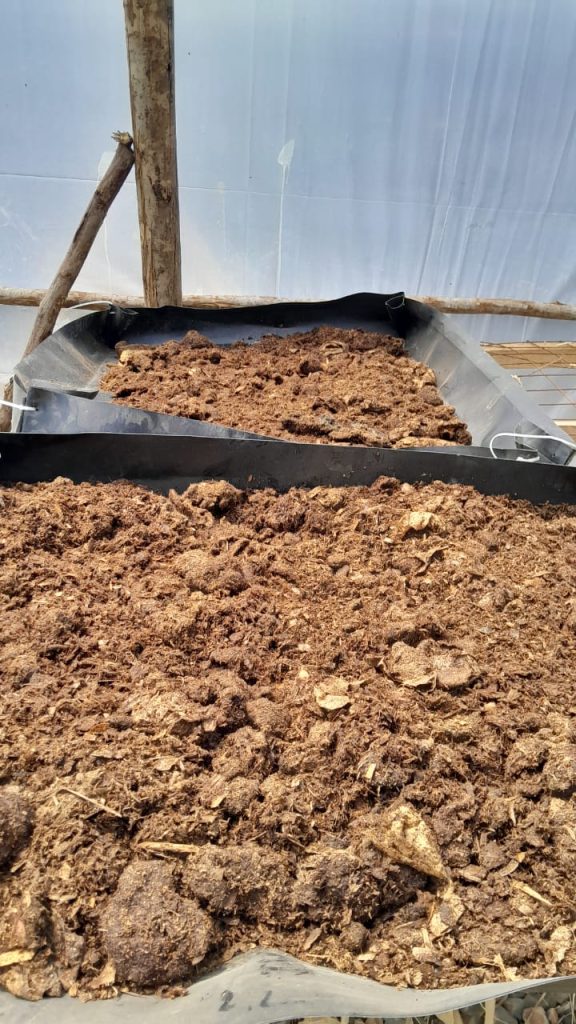
A Model for Replication
The Kisumu biochar project is more than a local experiment; it is a proof of concept for Africa’s urban future. By demonstrating that sanitation waste can be safely and profitably transformed into agricultural inputs, KIYA offers a replicable model for other cities grappling with waste, food insecurity, and environmental degradation.
Toward a Circular Future
As the six-month trial unfolds, KIYA and its partners are not only testing biochar’s agronomic value but also reshaping perceptions of waste. What was once seen as a liability is now being reframed as a resource — a shift that embodies the promise of circular economies. If successful, Kisumu’s youth-led initiative could inspire a continent-wide movement, proving that the path to cleaner cities and healthier soils begins with the courage to rethink what we throw away.